
When we think of healthy eating, we often imagine yogurt cups, protein bars, vegetable chips, sugar‑free drinks, and cooking oils labeled “heart‑friendly.” These products are marketed as smart choices for fitness and wellness. But here’s the surprising truth: not all foods that wear the “healthy” tag are truly good for your heart.
US cardiologist Dr. Sanjay Bhojraj recently explained that some popular “healthy” foods can actually harm your heart, metabolism, and even your brain. The problem lies in hidden sugars, artificial ingredients, and processing methods that confuse your body. In this blog, we’ll break down five such foods, explain why they may be risky, and suggest safer alternatives.
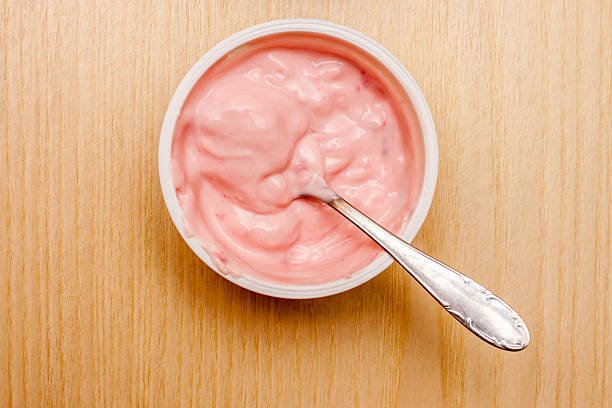
1. Flavored Yogurts – Sweet Trap in a Healthy Mask
Yogurt is often praised as a protein‑rich, gut‑friendly food. But flavored yogurts sold in supermarkets tell a different story.
- Hidden sugars: Many flavored yogurts contain more sugar than a dessert. This leads to weight gain, insulin resistance, and higher risk of diabetes.
- Artificial additives: Colors, preservatives, and sweeteners cause inflammation and increase cravings for more sugar.
- Impact on heart: Excess sugar contributes to obesity and high cholesterol, which are major risk factors for heart disease.
Better choice: Go for plain, homemade yogurt. Add fresh fruits like berries, mango, or banana for natural sweetness. This way, you enjoy probiotics without the sugar overload.
Yogurt is often praised as a protein‑rich, gut‑friendly food. But flavored yogurts sold in supermarkets tell a different story.
- Hidden sugars: Many flavored yogurts contain more sugar than a dessert. This leads to weight gain, insulin resistance, and higher risk of diabetes.
- Artificial additives: Colors, preservatives, and sweeteners cause inflammation and increase cravings for more sugar.
- Impact on heart: Excess sugar contributes to obesity and high cholesterol, which are major risk factors for heart disease.
Better choice: Go for plain, homemade yogurt. Add fresh fruits like berries, mango, or banana for natural sweetness. This way, you enjoy probiotics without the sugar overload.
“Gud vs sugar: Sweetness ka Asli Raaz”
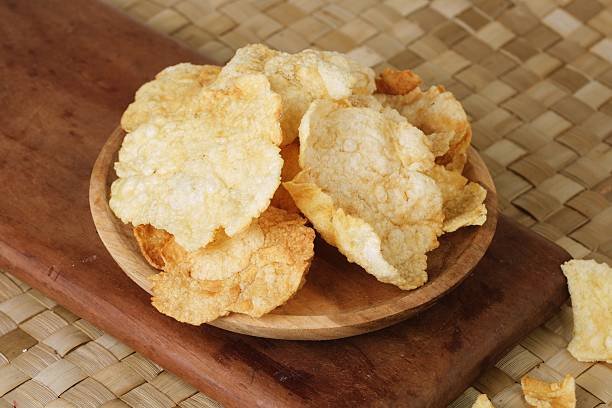
2.Vegetable Chips – Processed Crunch Without Nutrition
The colorful packets of vegetable chips look tempting. They promise fewer calories compared to potato chips. But the reality is disappointing.
- Highly processed: Most vegetable chips are fried or baked with added oils and preservatives.
- High sodium: Excess salt raises blood pressure and damages arteries.
- Low nutrition: Once vegetables are processed, they lose fiber, vitamins, and minerals.
Impact on heart: High sodium and saturated fats increase the risk of hypertension and clogged arteries.
Better choice: Slice seasonal vegetables thinly, dehydrate them, and bake or air‑fry at home. This way, you control the oil and salt levels
.
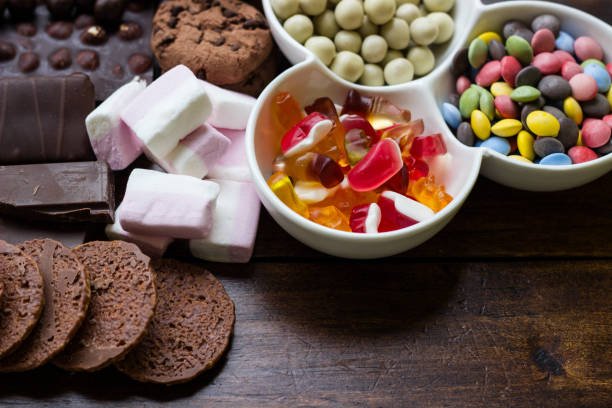
3. Zero‑Sugar Products – Artificial Sweetness, Real Risks
Sugar‑free sodas, desserts, and packaged foods are popular among people trying to lose weight. But artificial sweeteners can be tricky.
- Confuses insulin: Sweeteners trick the brain into expecting sugar, which disrupts insulin response.
- Cravings: Instead of reducing sugar intake, they make you crave more sweets.
- Health risks: Studies link artificial sweeteners to higher risk of type 2 diabetes, cardiovascular disease, and digestive problems.
Impact on heart: Artificial sweeteners may increase inflammation and damage blood vessels over time.
Better choice: Choose natural sweeteners like fruits, dates, or raw honey in moderation. Your body knows how to process them better.
buy now:- https://amzn.to/3XAWzTR
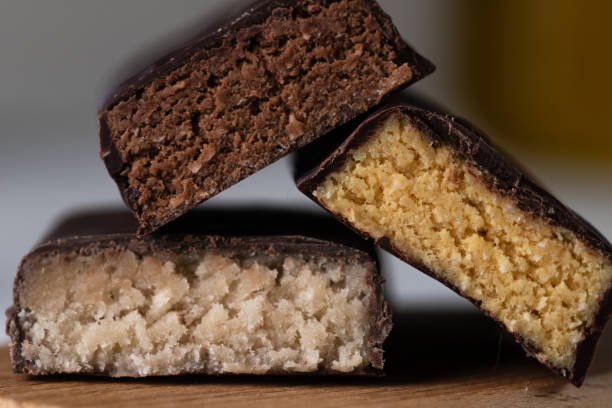
4. Protein Bars – Candy Bars in Disguise
Protein bars are marketed as energy boosters for gym lovers and busy professionals. But most of them are far from healthy.
- High sugar content: Many bars contain syrups, chocolate coatings, or hidden sweeteners.
- Unhealthy fats: Hydrogenated oils and palm fats increase cholesterol levels.
- Digestive issues: Artificial ingredients can upset your stomach and cause bloating.
Impact on heart: Instead of supporting fitness, these bars raise blood sugar, encourage weight gain, and put stress on the cardiovascular system.
Better choice: Make your own protein bars at home using oats, nuts, seeds, and dates. Or simply snack on roasted chickpeas, boiled eggs, or a handful of almonds.
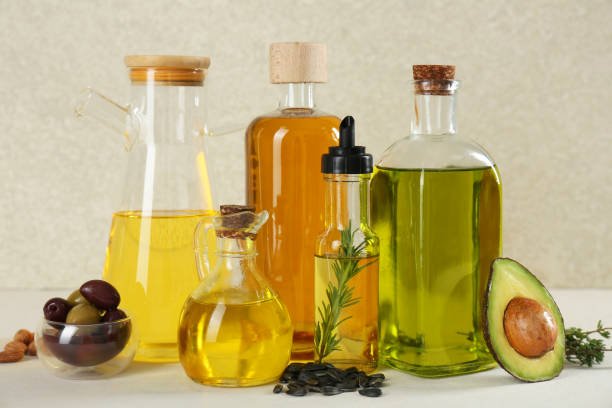
5.Seed Oils – Hidden Inflammation in Your Kitchen
Seed oils like sunflower, soybean, and corn oil are widely used for cooking. They are often marketed as “light” and “cholesterol‑free.” But when refined and heated, they can be harmful.
- Oxidation: Heating seed oils produces harmful compounds that damage cells.
- Inflammation: Excess consumption leads to chronic inflammation inside arteries.
- Weight gain: These oils are calorie‑dense and can contribute to obesity.
Impact on heart: Inflammation and high cholesterol increase the risk of blocked arteries and heart disease.
Better choice: Use olive oil, avocado oil, grass‑fed ghee, or even small amounts of coconut oil. These are more stable and heart‑friendly.
Why These Foods Are Dangerous
The common thread among these five foods is processing and artificial additives. While the base ingredients (milk, vegetables, seeds) are healthy, the way they are packaged and marketed changes their nature.
- Added sugar → obesity, diabetes, heart disease.
- Artificial sweeteners → confused metabolism, cravings, long‑term risks.
- Excess sodium → hypertension, artery damage.
- Refined oils → inflammation, cholesterol imbalance.
The lesson is simple: not everything labeled “healthy” is truly safe.
How to Make Smarter Food Choices
Here are practical tips to protect your heart while still enjoying tasty food:
- Read labels carefully: Check sugar, sodium, and fat content before buying.
- Choose whole foods: Fresh fruits, vegetables, nuts, and grains are always better than packaged snacks.
- Cook at home: Homemade meals give you control over ingredients.
- Practice moderation: Even healthy foods can be harmful if eaten in excess.
- Stay hydrated: Water is the best drink for heart health.
Heart‑Friendly Alternatives
Instead of falling for marketing tricks, try these natural swaps:
| Risky Food | Safer Alternative |
| Flavored yogurt | Plain yogurt + fruits |
| Protein bars | Nuts, seeds, boiled eggs |
| Vegetable chips | Homemade baked veggie slices |
| Zero‑sugar drinks | Fresh fruit smoothies, coconut water |
| Seed oils | Olive oil, avocado oil, ghee |
Conclusion
Healthy eating is not about following trends or buying products with fancy labels. It’s about choosing foods that are natural, minimally processed, and nourishing. Flavored yogurts, protein bars, vegetable chips, zero‑sugar products, and seed oils may look harmless, but they can silently harm your heart over time.
By making small changes—like switching to plain yogurt, baking your own veggie chips, or using olive oil—you can protect your heart and enjoy real health benefits. Remember, your heart deserves care, and the best way to show it love is through mindful eating.
more inform:- prhealthhub.com –