
In every kitchen, there are a few ingredients that quietly hold the power to transform not only the taste of food but also the health of those who eat it. Ginger and garlic are two such treasures. They may look small, but their impact is huge. For centuries, these humble roots have been used in cooking, medicine, and even rituals. Today, modern science confirms what traditional wisdom has always known: ginger and garlic are natural healers.
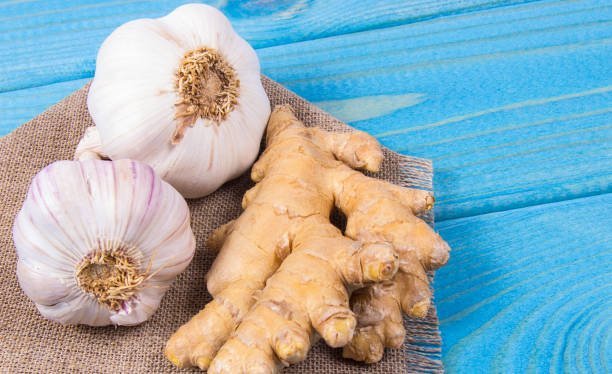
ginger and garlic not just as spices, but as powerful allies for health
The Story of Ginger and Garlic
- Ginger: Originating in Southeast Asia, ginger has been used for thousands of years in Ayurveda, Chinese medicine, and traditional remedies. It is known for its warm, spicy flavor and its ability to soothe digestion.
- Garlic: Native to Central Asia, garlic has been valued since ancient times. Egyptians used it to boost strength, Romans gave it to soldiers, and today it is a staple in kitchens worldwide.
Both ingredients are deeply rooted in culture, tradition, and healing practices.
Nutritional Power
- Ginger contains: antioxidants, gingerol (its active compound), vitamins B6 and C, magnesium, and potassium.
- Garlic contains: allicin (its active compound), sulfur compounds, manganese, vitamin B6, vitamin C, selenium, and fiber.
These compounds are responsible for their strong flavors and their healing properties.
Health Benefits of Ginger
- Digestive Aid: Ginger helps reduce nausea, bloating, and indigestion.
- Anti-inflammatory: It reduces swelling and pain in conditions like arthritis.
- Boosts Immunity: Its antioxidants strengthen the body’s defense system.
- Relieves Cold and Flu: Ginger tea is a common remedy for sore throat and congestion.
- Supports Heart Health: It helps lower cholesterol and improves circulation.
Health Benefits of Garlic
- Heart Protector: Garlic lowers blood pressure and cholesterol.
- Natural Antibiotic: Allicin fights bacteria, viruses, and fungi.
- Cancer Prevention: Studies suggest garlic may reduce the risk of certain cancers.
- Boosts Immunity: Regular garlic intake strengthens the immune system.
- Blood Sugar Control: Garlic helps regulate glucose levels.
Ginger and Garlic Together
When combined, ginger and garlic create a powerful duo. Many traditional remedies mix them to fight infections, improve digestion, and boost energy. In cooking, they add depth and flavor to curries, soups, and stir-fries.

Practical Ways to Use Ginger and Garlic
- Tea: Boil ginger slices with water, add honey and lemon.
- Paste: Blend ginger and garlic into a paste for curries.
- Raw: Eat a small piece of garlic on an empty stomach for immunity.
- Pickles: Ginger and garlic pickles are tasty and healthy.
- Soups and Broths: Add them for flavor and healing warmth.
Traditional Wisdom Meets Modern Science
Ayurveda and Chinese medicine have long praised ginger and garlic. Modern research now proves their effectiveness in reducing inflammation, fighting infections, and protecting the heart. This blend of tradition and science makes them timeless health boosters.
Precautions
- Too much garlic may cause stomach upset or bad breath.
- Excess ginger may lead to heartburn in sensitive people.
- Pregnant women should consult doctors before consuming large amounts.
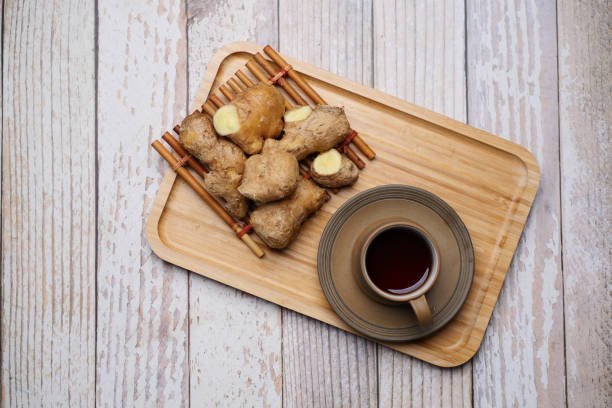
Lifestyle Integration
- Start mornings with ginger tea.
- Add garlic to salad dressings.
- Use ginger-garlic paste in daily cooking.
- Keep fresh ginger and garlic at home for quick remedies.
Motivational Angle
Think of ginger and garlic as small soldiers fighting for your health. They may be tiny, but they protect your body from big problems like heart disease, infections, and weak immunity. By adding them to your meals, you are investing in long-term wellness.
Q1: Can ginger and garlic cure diseases? They don’t cure diseases alone, but they support the body and reduce risks.
Q2: Is raw garlic better than cooked? Yes, raw garlic has stronger medicinal properties, but cooked garlic still offers benefits.
Q3: Can children eat ginger and garlic? Yes, in small amounts. They help boost immunity naturally.
Conclusion
Ginger and garlic are proof that small things can make a big difference. They are not just kitchen ingredients; they are natural medicines. By including them in your daily life, you can enjoy better digestion, stronger immunity, and a healthier heart. Ginger and garlic are not just ordinary kitchen ingredients. They are nature’s gift, packed with healing compounds that protect our body in many ways. From boosting immunity and improving digestion to supporting heart health and fighting infections, these small roots play a big role in keeping us strong.
more inform:- /prhealthhub.com