
Complete Protein for Vegetarians: What You Need to Know
Table of Contents
When it comes to complete protein for vegetarians, understanding the basics is crucial. A complete protein contains all nine essential amino acids that our bodies cannot produce independently. While animal products naturally provide these complete proteins, vegetarians need to be more strategic with their plant-based choices.
Why Are Amino Acids Important?
- Histidine: Supports brain health and neurotransmitter function.
- Isoleucine, Leucine, Valine (BCAAs): Promote muscle growth and recovery.
- Lysine: Essential for collagen production and calcium absorption.
- Methionine: Supports detoxification and metabolism.
- Phenylalanine: Precursor to dopamine and adrenaline.
- Threonine: Important for skin and connective tissue.
- Tryptophan: Regulates mood and sleep (precursor to serotonin).
For vegetarians, ensuring a balanced intake of these amino acids is key to preventing deficiencies and maintaining optimal health.
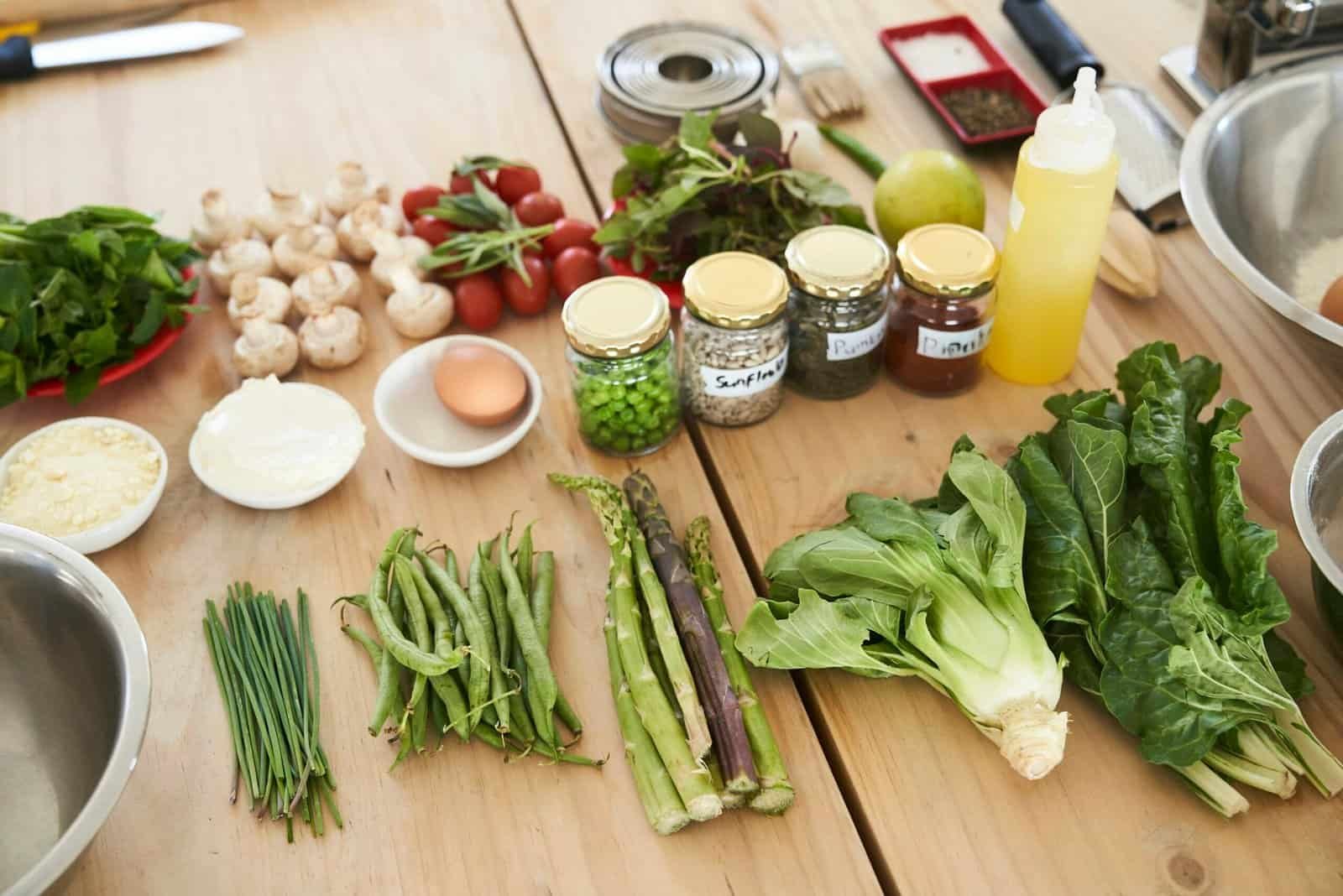
Why Complete Proteins for Vegetarians Matters
Many plant-based proteins are incomplete, meaning they lack one or more essential amino acids. For example:
- Grains (rice, wheat) are low in lysine.
- Legumes (beans, lentils) are low in methionine.
Without proper planning, vegetarians may struggle to get enough complete protein, leading to potential issues like:
- Muscle loss
- Weakened immunity
- Fatigue
- Slow recovery after exercise
By incorporating complete plant proteins or combining complementary foods, vegetarians can easily meet their daily protein requirements.
Top 15 Sources of Complete Protein for Vegetarians
| Food | Protein per 100g | Key Benefits |
|---|---|---|
| Quinoa | 4.4g | Gluten-free, high in fiber & iron |
| Buckwheat | 3.4g | Rich in antioxidants |
| Soy (Tofu, Tempeh, Edamame) | 10-19g | Contains all essential amino acids |
| Chia Seeds | 16.5g | High in omega-3s |
| Hemp Seeds | 31.6g | Perfect amino acid profile |
| Spirulina | 57g (dried) | Extremely protein-dense |
| Amaranth | 3.8g (cooked) | High in lysine |
| Nutritional Yeast | 50g (per 100g) | Fortified with B12 |
| Seitan | 25g | Meat-like texture |
| Lentils + Rice | 9g + 2.7g | Complementary proteins |
| Pumpkin Seeds | 19g | High in zinc & magnesium |
| Pea Protein Powder | 80g (per 100g) | Great for smoothies |
| Mung Beans | 7g (cooked) | Easily digestible |
| Wild Rice | 4g | Higher protein than white rice |
| Greek Yogurt (Dairy Option) | 10g | Probiotic benefits |
How to Combine Plant Proteins for Maximum Nutrition
Since most plant proteins are incomplete, food pairing is essential. Here’s how to combine them effectively:
1. Grains + Legumes
- Example: Brown rice + lentils
- Why? Rice lacks lysine but has methionine, while lentils provide lysine but lack methionine.
2. Nuts/Seeds + Legumes
- Example: Hummus (chickpeas + tahini)
- Why? Chickpeas are low in methionine, but sesame seeds (tahini) compensate.
3. Dairy + Whole Grains
- Example: Greek yogurt + oats
- Why? Dairy provides all essential amino acids, while oats add fiber.
Daily Protein Requirements for Vegetarians
The Recommended Dietary Allowance (RDA) for protein is:
- 0.8g per kg of body weight (e.g., 56g for a 70kg person).
- Athletes/active individuals: 1.2–1.7g per kg.
Sample Calculation:
- Weight: 70kg
- Sedentary: 56g protein/day
- Active: 84–119g protein/day
7-Day High-Protein Vegetarian Meal Plan
Day 1
- Breakfast: Tofu scramble with spinach
- Lunch: Quinoa salad with chickpeas
- Dinner: Lentil curry with brown rice
Day 2
- Breakfast: Chia pudding with almond milk
- Lunch: Tempeh stir-fry
- Dinner: Black bean tacos
(Continue for 7 days with variations.)
Debunking Myths About Vegetarian Protein
❌ Myth: “Plant proteins are inferior to animal proteins.”
✅ Truth: When combined properly, plant proteins are just as effective.
❌ Myth: “Soy causes hormonal imbalances.”
✅ Truth: Moderate soy consumption is safe and beneficial.
Protein Supplements for Vegetarians
- Pea Protein (best for muscle growth)
- Hemp Protein (rich in omega-3s)
- Brown Rice Protein (hypoallergenic)
FAQs on Complete Protein for Vegetarians
1. Can vegetarians build muscle without meat?
Yes! With soy, quinoa, and protein supplements, muscle growth is achievable.
2. Is quinoa the best complete protein?
Quinoa is excellent, but hemp seeds and soy are also great options.
3. Do I need protein supplements?
Only if whole-food intake is insufficient (e.g., athletes).
Final Tips for Optimal Vegetarian Protein Intake
✔ Diversify protein sources to cover all amino acids.
✔ Track intake using apps like MyFitnessPal.
✔ Prioritize whole foods over processed alternatives.
By following this guide, vegetarians can easily meet their protein needs and maintain a balanced, nutritious diet.
🔹 Want more plant-based nutrition tips? Subscribe for weekly updates!
for knowing the benefits of garlic also follows the link.
please follow our facebook page also for more update.